










In maritime operations, few situations are more urgent or dangerous than sailing through high-risk waters. Areas prone to piracy, such as the Gulf of Aden, along with conflict zones and regions affected by natural disasters, present vessels with serious threats. Whether navigating geopolitical hotspots or dealing with emergencies at sea, one thing becomes essential. Real-time emergency communication that cannot fail must always be available.
For ship captains, maritime operators, and naval forces, the citadel on a ship plays a critical role. This space is a fortified room where the crew takes refuge during an attack. It should never be a place where communication is lost. It must function as a fully operational command center. Companies like Station Satcom make this possible by providing satellite powered systems that are designed to be highly secure and fully reliable in even the most extreme environments.
This article highlights the importance of secure communication at sea, how modern satellite technology supports emergency preparedness, and why the citadel is evolving from a place of safety to a center of coordinated response.
The Citadel Must Be Built for Connectivity
In maritime security, the citadel refers to a secured room on a vessel where the crew can retreat during a piracy attempt. The crew is trained to enter this space and wait for assistance from authorities. However, being hidden is not enough. Staying connected during this time is essential
Without a reliable communication system inside the citadel:
- The crew cannot share their location with naval forces
- The vessel’s status remains unclear
- Emergency actions such as shutting down systems cannot be carried out
To ensure this level of support, citadel communication systems must meet strict standards. They need to be hidden from attackers, operate independently from the ship’s power systems, resist jamming or interference, and remain connected through multiple satellite channels.
Where Emergency Communication Becomes Most Critical
Here are key regions where vessels face elevated risks and need uninterrupted emergency communication:
Gulf of Aden and the Red Sea
This region is widely known for piracy. Ships passing through often engage citadel protocols even before threats are visible.
Gulf of Guinea off West Africa
Violent takeovers and hijackings of tankers have been reported here. Responding quickly requires always-on communication.
Strait of Malacca
Due to the narrow lanes and heavy traffic, this area presents both piracy threats and navigational dangers.
South China Sea
Tensions in this zone require that vessels stay ready to reroute and report situations promptly.
Disaster and Conflict Areas
Whether responding to hurricanes or navigating through zones impacted by war, vessels need communication tools that remain operational regardless of the conditions around them.
How Station Satcom Strengthens Emergency Response
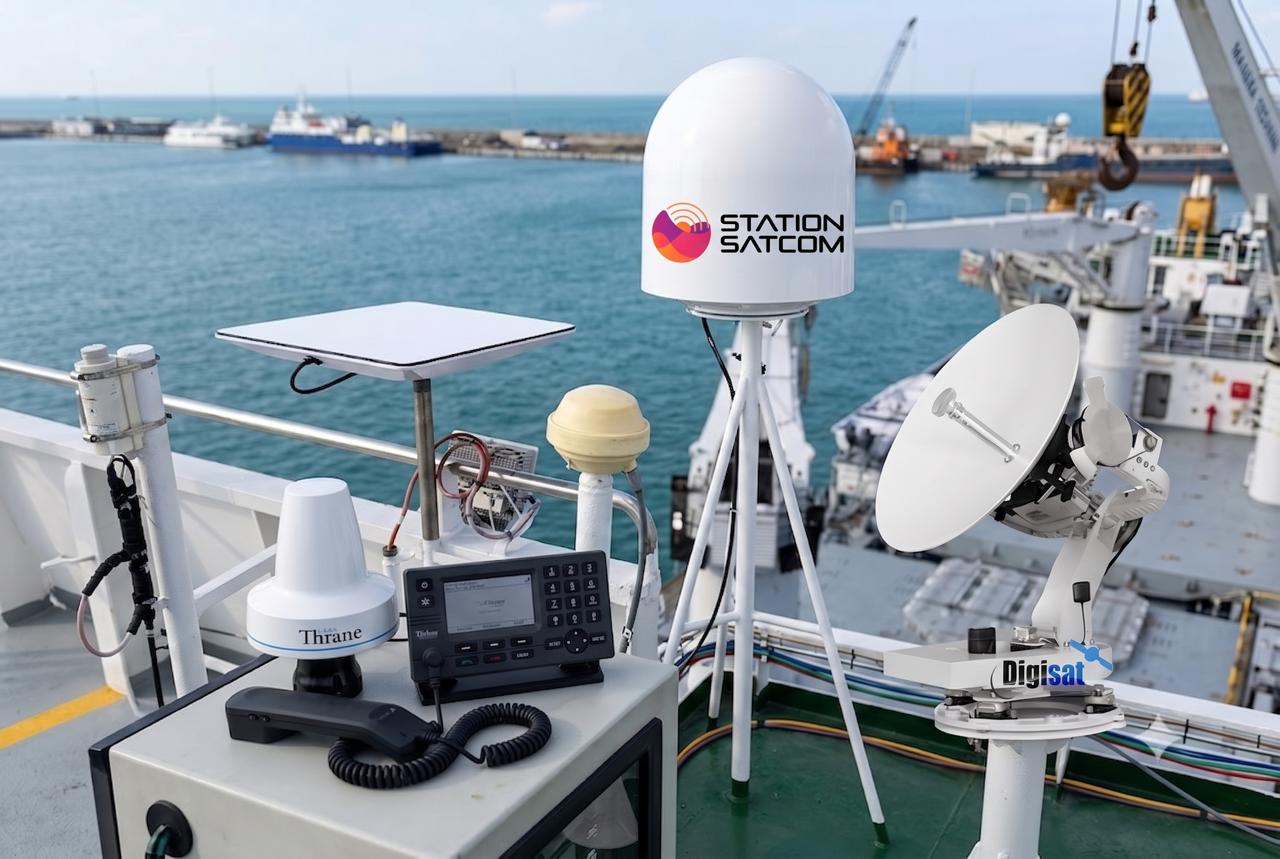
Station Satcom provides systems that are purpose-built for challenging environments. Their technology is designed to function even when the ship’s main systems are compromised and the crew is confined inside the citadel.
Dual Satellite Channels for Redundancy
When emergencies strike, backup communication becomes a lifeline. Station Satcom systems use a two-channel approach:
- The main link is a high-speed satellite connection using Ku or Ka band frequencies.
- The secondary link is a lower bandwidth L-Band system placed inside the citadel and routed to antennas mounted safely outside.
Even if the primary antenna is destroyed or disabled, the backup link ensures the crew stays connected.
Encrypted Equipment That Cannot Be Tampered With
All communication devices used inside the citadel are fully secured. Each unit is encrypted, built to withstand physical threats, and locked from external access. These terminals function independently from the rest of the ship’s network to protect sensitive operations.
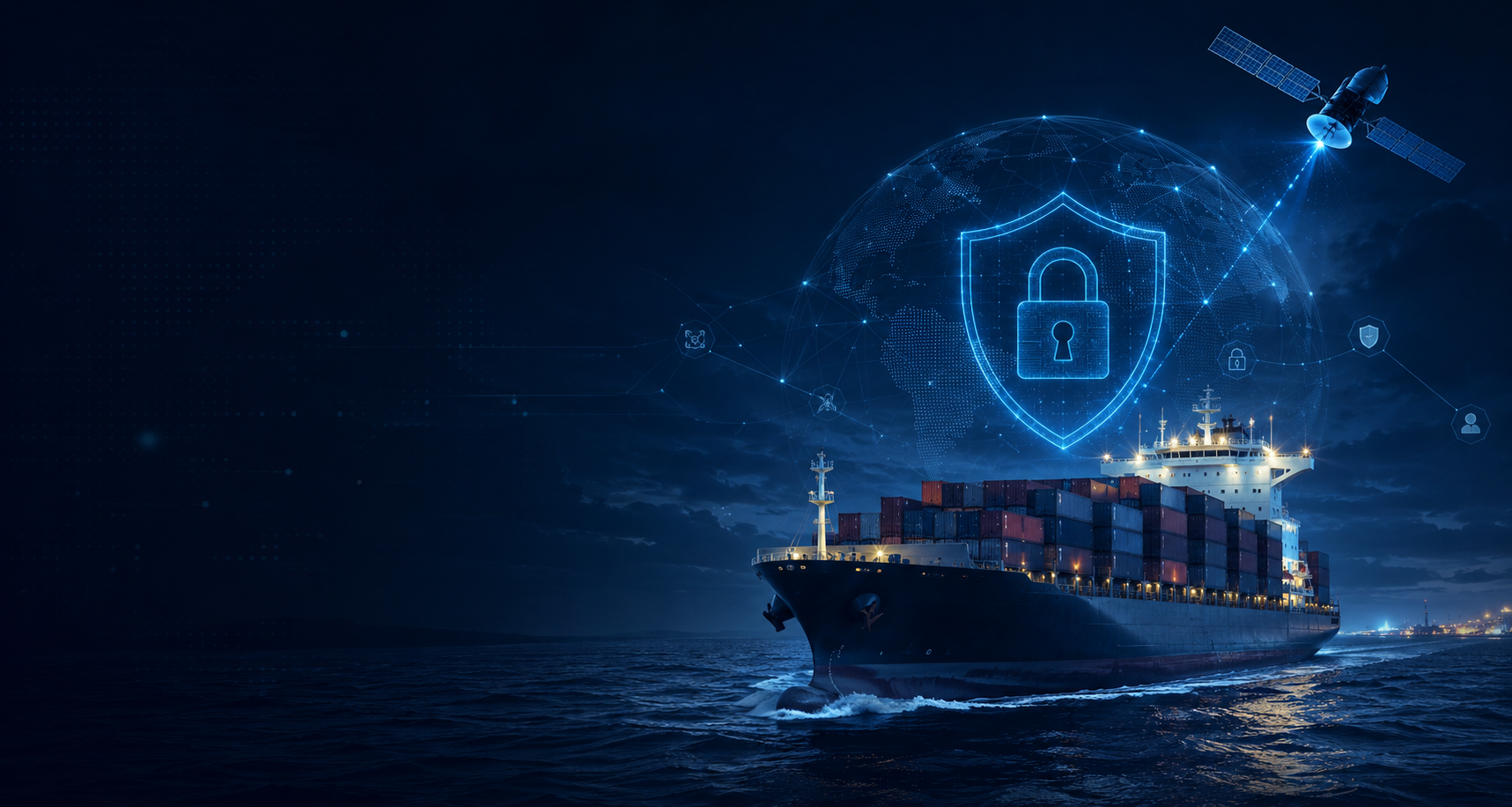
The cybersecurity suite from Station Satcom ensures that all data remains private. Any attempts to intercept or imitate messages are blocked by intelligent firewalls and detection tools.
Fully Equipped Citadel Kits
Station Satcom offers ready-to-use emergency kits for citadel spaces. These kits include:
- External antennas that remain protected during attacks.
- Independent power supplies using batteries or uninterruptible systems
- Preconfigured satellite terminals designed for emergency response
- Rugged phones and tablets that include GPS tracking and secure messaging apps
No technical skills are required for the crew to operate these devices. The equipment is ready for immediate use in crisis situations.
More Than Piracy: Broader Uses for Emergency Communication
Although piracy is a major reason to use citadel systems, there are other scenarios that require isolated communication channels.
- Offshore oil platforms rely on these systems during hurricanes and earthquakes.
- Naval ships in contested zones use multiple satellites and advanced encryption to avoid tracking.
- Humanitarian missions rely on portable kits, like the Station ROCK system, to stay connected during evacuations and relief efforts.
Meeting Global Safety Standards and Regulations
Station Satcom’s communication solutions align with international safety and cybersecurity protocols. These include:
- Guidelines for managing cyber risks at sea
- Best practices for defending against piracy
- Secure communication standards under the International Ship and Port Facility Security Code
- Local and regional certifications for using satellite equipment in various waters
They also provide full documentation that helps shipowners pass inspections and prove compliance with global standards.
Real-World Use Case: Securing a Vessel in the Red Sea
A liquefied natural gas vessel traveling through the Red Sea used Station Satcom’s technology to stay protected. The ship had the following systems installed:
- Dual satellite setup providing main and backup communication
- Encrypted phone and GPS devices inside the citadel
- Preprogrammed alerts sent automatically to company headquarters and naval authorities
- Regular remote checks to make sure everything remained fully functional
This setup allowed the crew to maintain communication, even if forced into hiding behind locked doors. It ensured that help could be sent without delay.
Final Thought: Signal Strength is a Matter of Survival
In high-risk maritime zones, survival depends on more than protective gear or crew training. It depends on the ability to stay connected when everything else fails.
Station Satcom’s approach brings together multiple layers of protection, automated backup systems, and smart activation features. This gives shipowners peace of mind and gives crews the confidence that they are never alone in a crisis.
Because when every second matters, silence is not an option.