



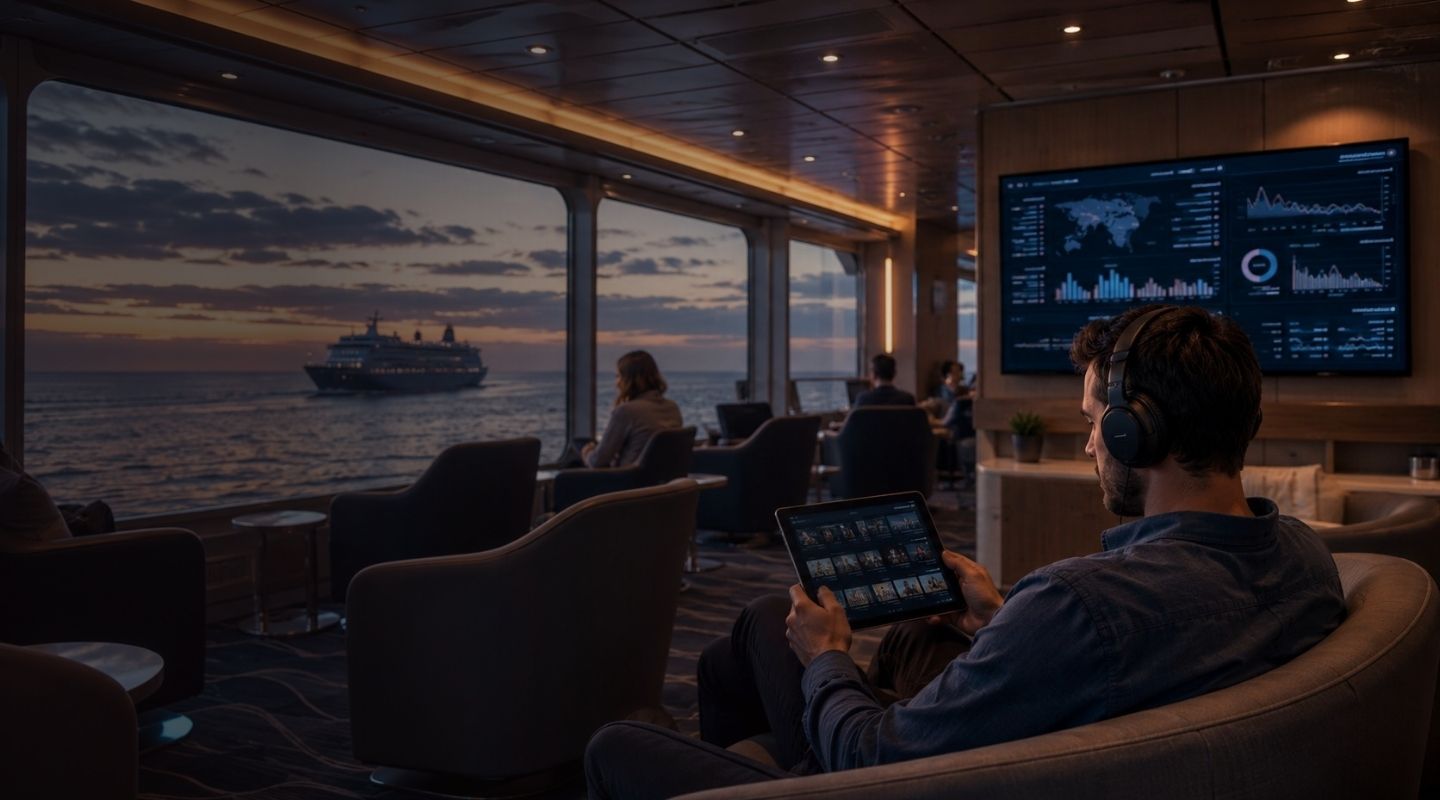









A master gets a two-minute video call before the signal drops. A child shows a school project, asks when the next port is, and the call ends mid-sentence. On another ship, a crew member waits until off watch to send a voice note, only to see it stuck on “sending” for an hour. These are not dramatic moments, but they shape the emotional load of life at sea.
When family contact becomes unreliable, it affects more than morale. It affects recovery, focus, and the tone onboard. That is why crew connectivity at sea has become a central part of marine crew communication, and why maritime internet for crews is now one of the most practical levers for welfare and retention.
Family communication is a welfare system, not a perk
The importance of internet connectivity for seafarers and families is simple to explain and hard to ignore. Regular contact reduces isolation. Isolation increases stress. Stress shows up as fatigue, irritability, and reduced attention. Over time, it impacts safety and teamwork.
That is the real value behind improving family communication for marine crews at sea. It supports steadier crews, and steadier crews support steadier operations.
What modern connectivity changes onboard
Modern connectivity is not only higher bandwidth. It is a better experience because it is designed around three outcomes: consistency, fairness, and control.
1. Consistency during off watch hours
Crews do not need internet that peaks brilliantly once a day. They need access that works predictably when they are off watch. When crew connectivity at sea becomes routine, family communication becomes a habit instead of a struggle.
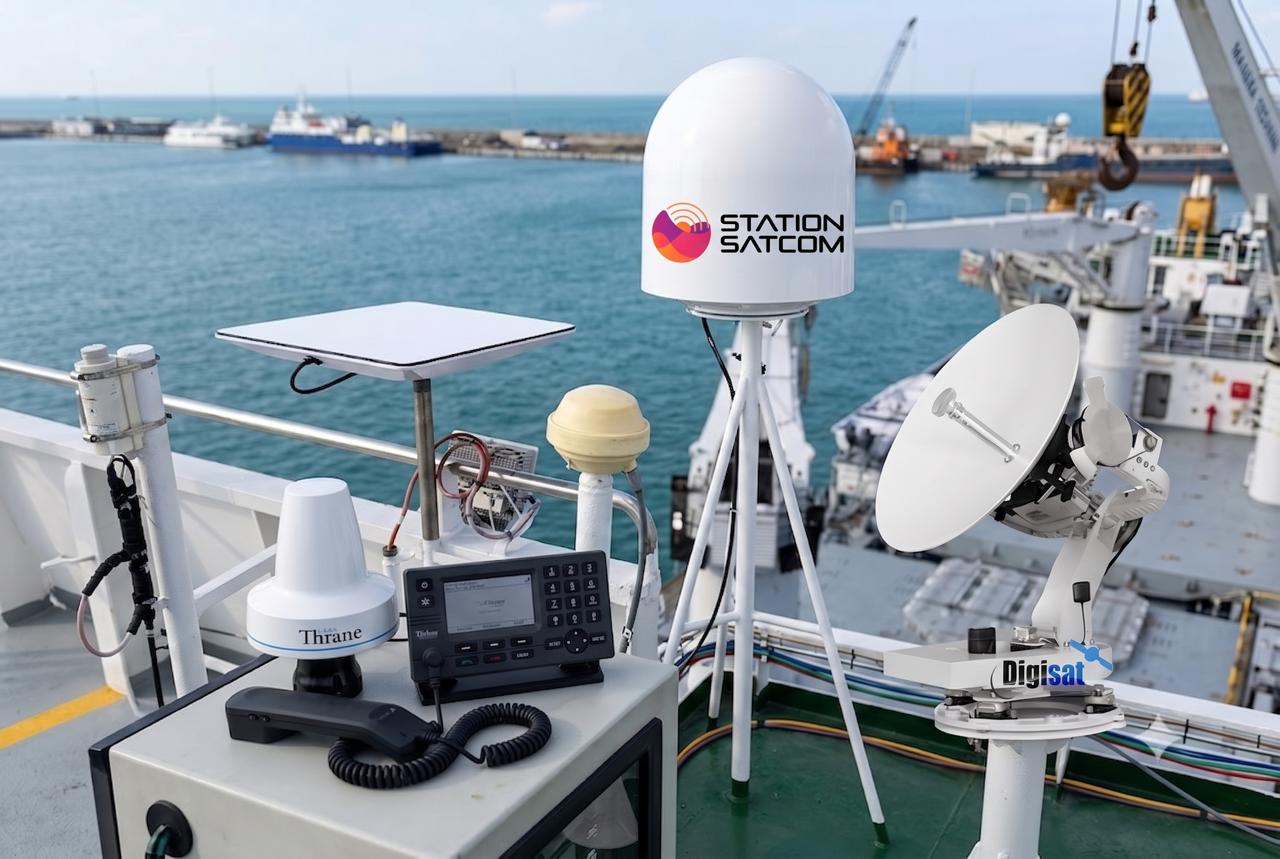
This is where a resilient connectivity architecture matters. Station Satcom supports multi network connectivity options designed for real world routes, helping fleets build a more dependable baseline for crew usage alongside operational needs.
2. Fair usage without hurting operational traffic
One of the biggest reasons crew internet becomes a pain point is contention. Everyone is online at the same time, and critical traffic gets affected, or crew experience collapses.
Modern network control solves this through separation and prioritisation, keeping operational applications protected while crew access remains usable. Station Satcom supports this balance with fleet networking control through FutureKonnect, helping operators manage multiple priorities without constant firefighting.
3. Better onboard touchpoints for engagement and information
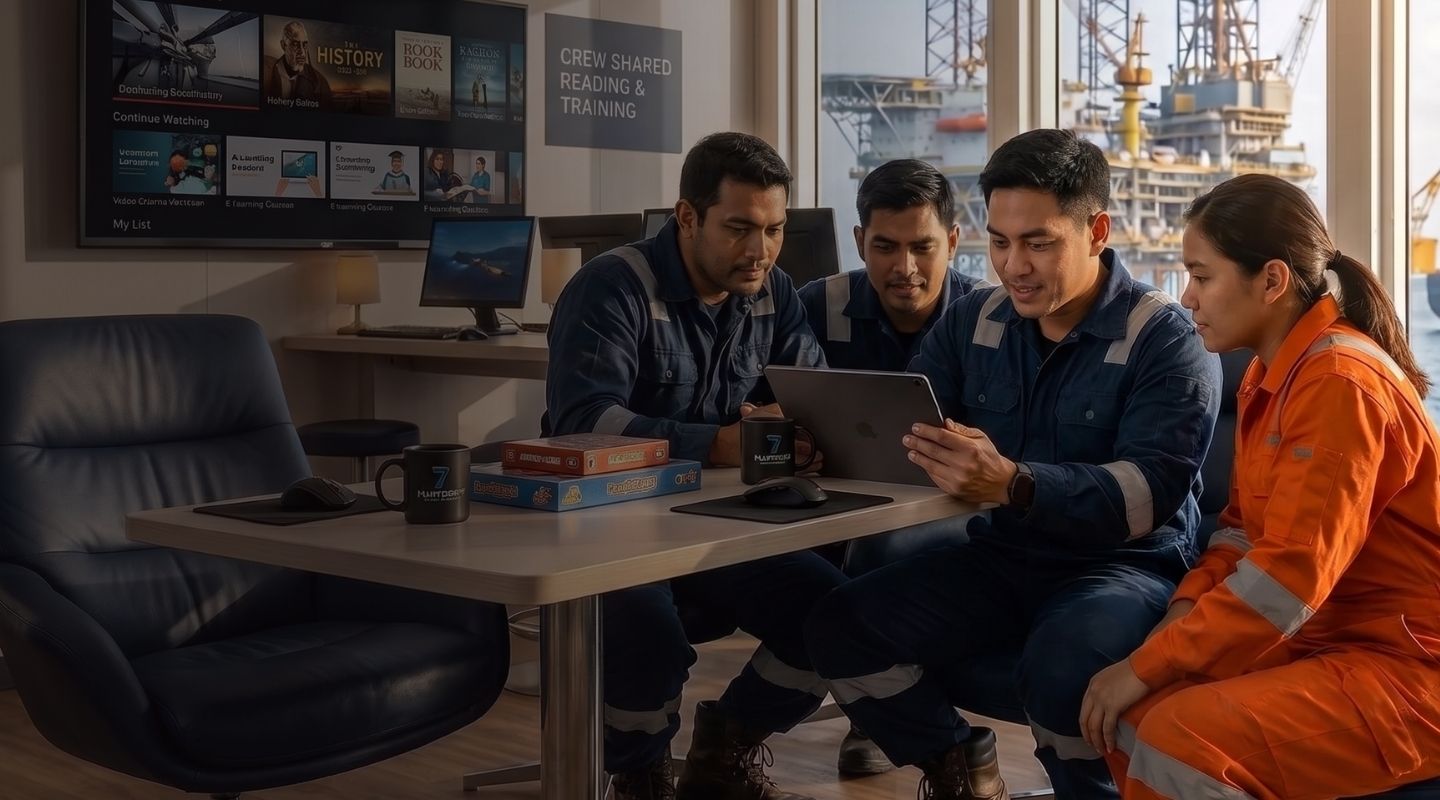
Family communication improves when the overall onboard experience improves. Crews need spaces and routines that reduce isolation, not just a data pipe.
Station Satcom’s welfare layer supports that through solutions such as:
- Station Multiplex for shared, licensed communal viewing that brings crews together beyond the cabin
- Station Kiosk and Crew Kiosk for faster onboard updates and information access
- Station Care to support wellbeing through structured care access and support services
When these sit on top of reliable maritime internet for crews, the human outcome improves crews feel less cut off, more stable, and more connected.
How modern connectivity helps marine crews stay in touch with family
When seafarers describe what they want, it is rarely technical. It is practical.
Modern connectivity improves marine crew communication by enabling:
- Voice notes and messages that send reliably, even in short windows
- Calls that hold without repeated drops
- Predictable access so crews can plan family check ins
- Less conflict onboard because bandwidth is managed fairly
- Better recovery off watch, which improves performance on watch
That is the real meaning of how modern connectivity helps marine crews stay in touch with family. It turns connection into normal life, not a rare event.