















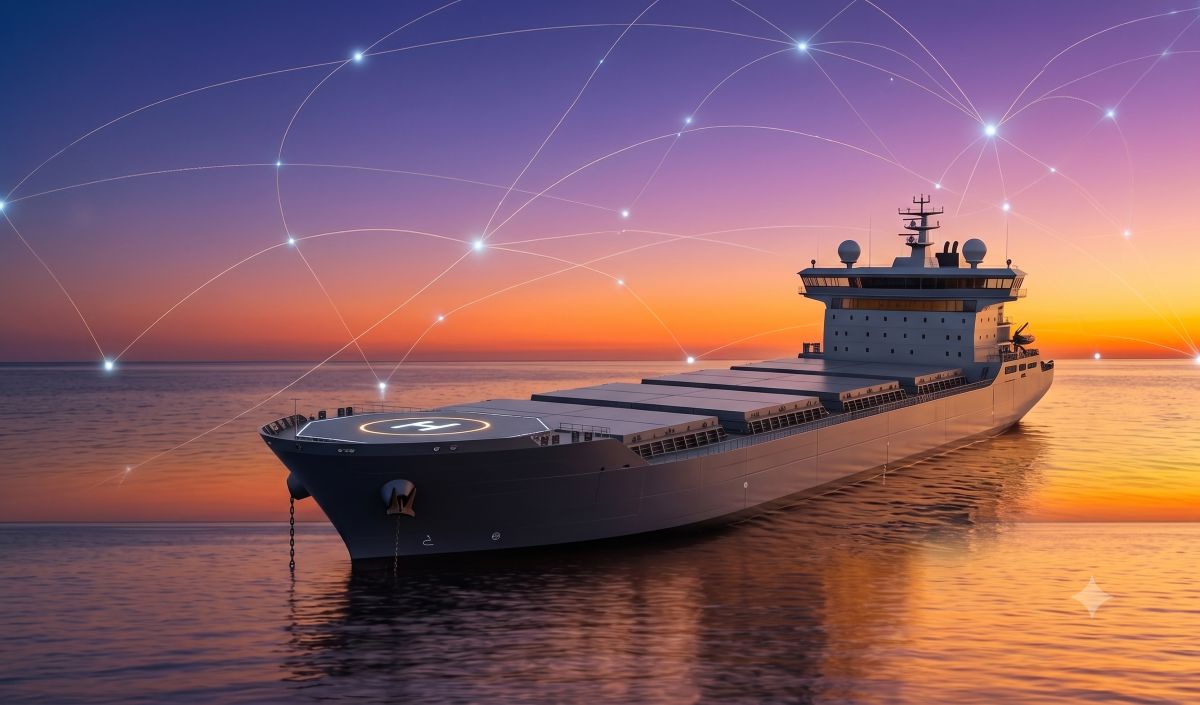



A case study ship owners see more often than they should
A shore team notices something small. A mailbox rule has changed. A file share that normally syncs in minutes is suddenly delayed. Then the real impact lands: a planned maintenance document cannot be accessed, a purchase approval is stuck, and the master is forced into WhatsApp workarounds to keep the day moving.
Nothing has “broken” mechanically. Yet operations are disrupted. That is the risk cloud incidents create for shipping. They do not need to take down a vessel to slow a fleet.
This is exactly why maritime cloud security services are now an operational requirement, not only an IT choice.
Why cloud security matters in shipping operations
Cloud platforms run the workflows that keep ship and shore aligned: email, file sync, reporting, procurement coordination, manuals, compliance records, and vendor collaboration. When those platforms are attacked or misused, the impact shows up fast in three areas.
1. Access loss becomes operational delay
If accounts are compromised or locked, tasks stop. Approvals wait. Records cannot be retrieved. Reporting cycles slip. This is the practical reason cloud security for ships is tied directly to operational reliability.
2. One compromised identity can spread across the fleet
A single set of credentials can unlock shared folders, group mailboxes, and administrative portals. In shipping, where users rotate and devices travel, weak identity controls create fleet scale exposure.
3. Limited visibility delays response
At sea, time matters. If you cannot see what happened quickly, the response becomes slow and manual. That is how small incidents turn into bigger operational disruptions.
This is the core promise behind cloud security maritime industry programs: reduce uncertainty, shorten response time, and protect continuity.
What cloud security services actually do
The phrase “cloud security” can feel broad. For ship owners, it becomes simple when you view it through one goal: keep operations moving safely and predictably.
Secure identity and access management
The first layer is identity. Strong access policies prevent misuse from becoming a fleet wide issue. That means:
- Clear role-based access so users only see what they need
- Enforced controls for privileged accounts
- Consistent onboarding and offboarding for crew, shore staff, and contractors
This is where many shipping organizations still rely on informal practices. A cloud security service formalizes them without slowing work down.
Continuous monitoring and early warning signals
Most incidents begin quietly. A login from an unusual location. A sudden spike in file access. A new forwarding rule. A device behaving differently.
A cloud security program turns those signals into alerts that can be investigated early. That is how cloud security reduces operational risks in shipping in a measurable way. Fewer surprises, faster containment.
Station Satcom supports this layer through managed IT and cybersecurity services built around continuous monitoring and fleet wide visibility. With tools and processes that watch systems and access patterns, teams get earlier awareness and faster escalation paths instead of relying on after the fact investigation.
Endpoint security that protects the cloud layer
Cloud platforms are often compromised through endpoints, laptops, workstations, and unmanaged devices. If the endpoint is weak, the cloud identity becomes easier to steal.
Cloud security services reduce this risk by enforcing basic hygiene:
- Patching discipline
- Endpoint protection
- Device control and policy enforcement
This is an area where Station Satcom’s fleet IT approach fits naturally. Station 365 is designed to consolidate key IT pillars under one subscription and one team, making it easier to apply consistent device management and security hygiene across vessels and shore users, instead of juggling multiple tools.
Backup and recovery built for maritime reality
Even with strong controls, incidents can still happen. The difference is whether you can restore normal operations fast and confidently.
Cloud security services reduce operational impact by ensuring:
- Backup and restore are tested, not assumed
- Recovery steps are documented and repeatable
- Critical systems have clear escalation paths
This is where shipping teams often gain the most value. You move from firefighting to a predictable process.
The benefits ship owners feel
When cloud security is done well, the outcome is not only fewer incidents. It is fewer disruptions and lower effort to run the same operation.
Here are the practical benefits of cloud security for ship owners:
- Less downtime across email, sync, and reporting workflows
- Faster investigation when something looks wrong
- Smaller blast radius when one account is compromised
- Clearer compliance readiness with less manual evidence gathering
- Lower support load because response is structured, not improvised
These benefits matter because they protect operating rhythm. That is where cost and risk concentrate.
A simple checklist before you choose a provider
If you are evaluating cloud-based cybersecurity solutions for maritime, ask these questions:
1. Can you enforce access controls consistently across ship and shore
2. Can you monitor suspicious logins and unusual activity across the fleet
3. Can you manage endpoints and patch cycles without fragmented tooling
4. Can you restore services quickly with tested recovery steps
5. Can you produce audit ready logs without chasing information
If the answer is unclear, the operational risk is already present.
Where Station Satcom fits
Station Satcom supports ship owners who want cloud security to work as part of an integrated operational stack. The approach connects three essentials that reduce risk in real conditions:
- Managed IT hygiene that keeps devices controlled and updated
- Cybersecurity oversight that improves detection and response readiness
- Fleet wide visibility and reporting so issues are seen early and handled consistently
For fleets looking to simplify the tool sprawl, Station 365 and Station SecureX sit within this operating model, helping consolidate IT management and cybersecurity controls into a clearer service approach.
If you want to reduce operational disruption from cloud related incidents, write to sales@stationsatcom.com for a cloud security readiness review and a practical ship to shore rollout plan.