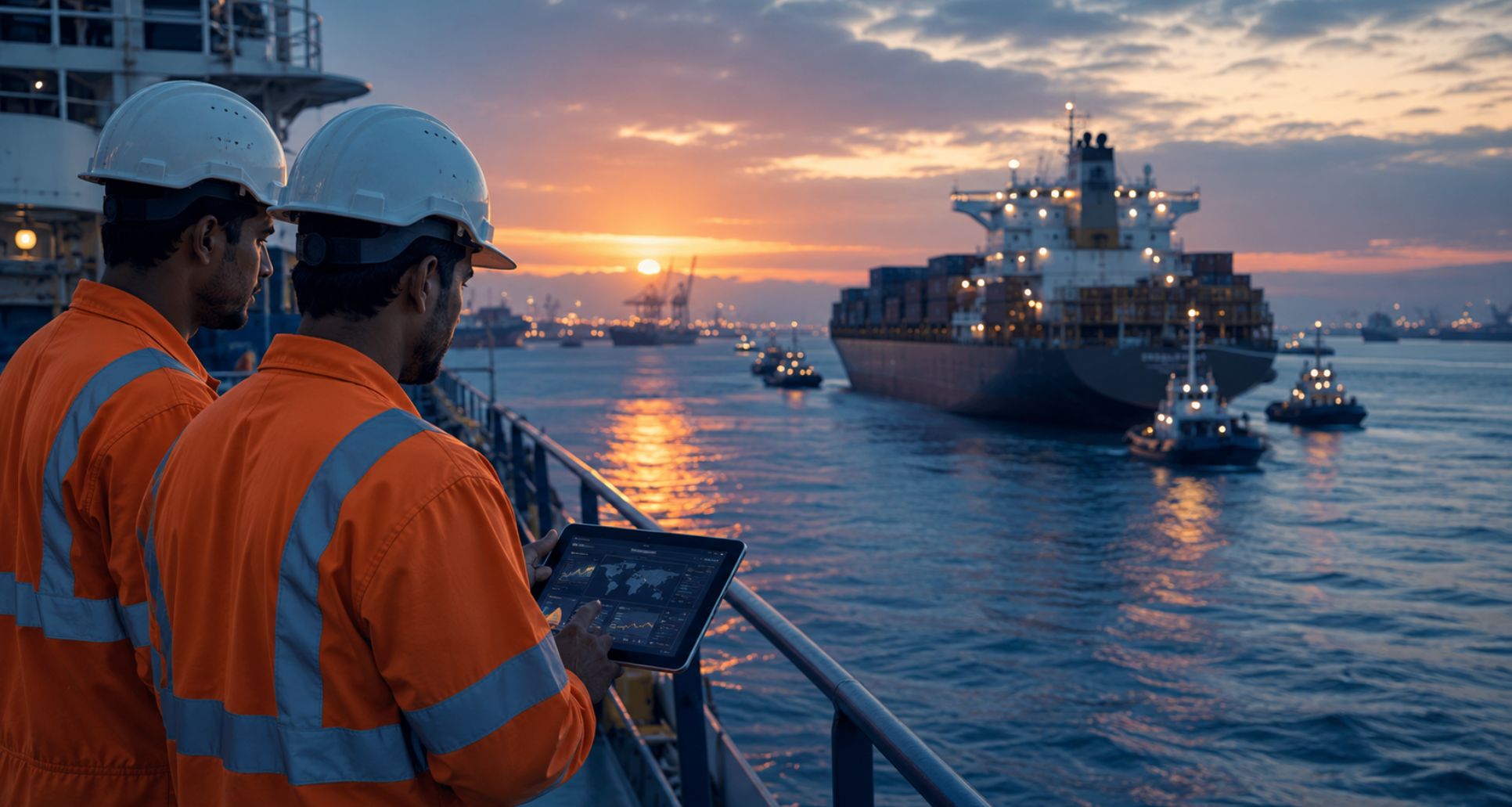
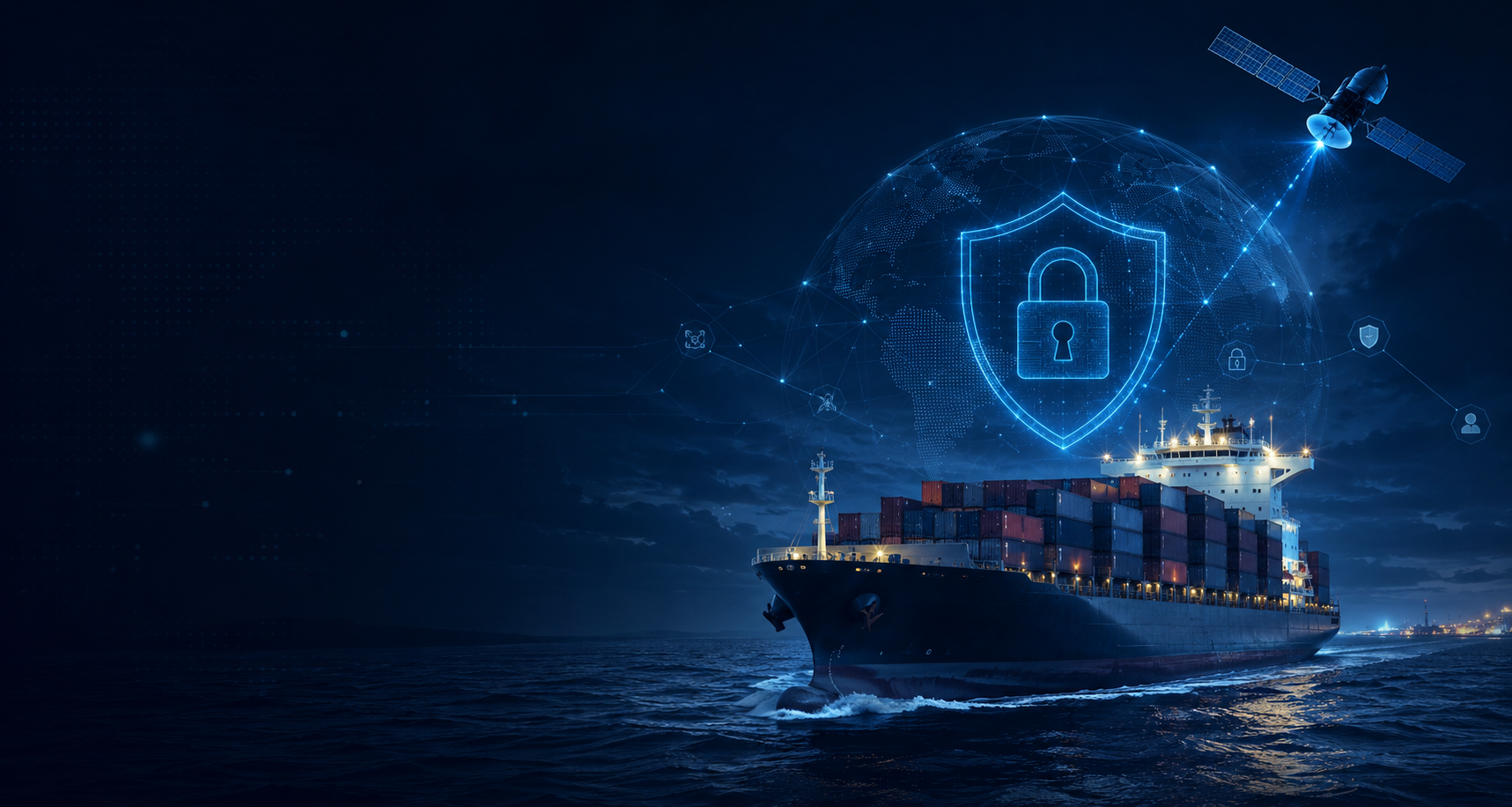







When conflict flares, the sea does not pause. It gets noisier, darker, and harder to verify.
The world saw a sharp example of this in the first half of 2026. In the Strait of Hormuz and the wider Arabian Gulf, GPS jamming has been reported to disrupt about 970 ships daily, making positioning harder and increasing operational and insurance pressure. (Windward) In parallel, reporting highlighted a surge in vessels going dark by switching off AIS during heightened tension, reducing visibility at the exact moment crews and shore teams need it most. (Financial Times)
This is where AI maritime solutions stop being a buzzword. In high-risk corridors, AI does one job well: it shortens the time between a weak signal and a clear decision. It helps teams spot anomalies earlier, prioritize what matters, and respond with confidence.
Vessel monitoring has moved beyond dots on a map
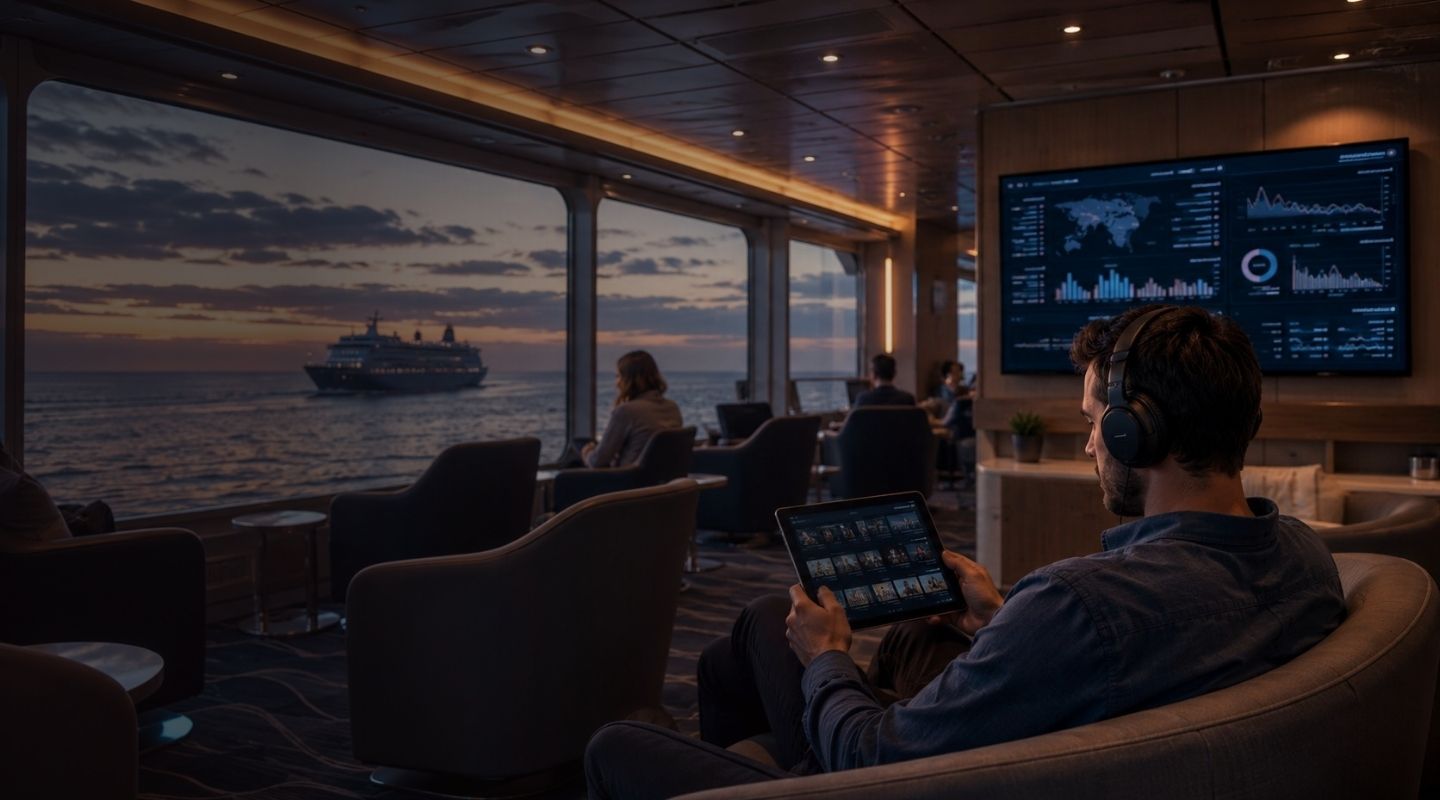
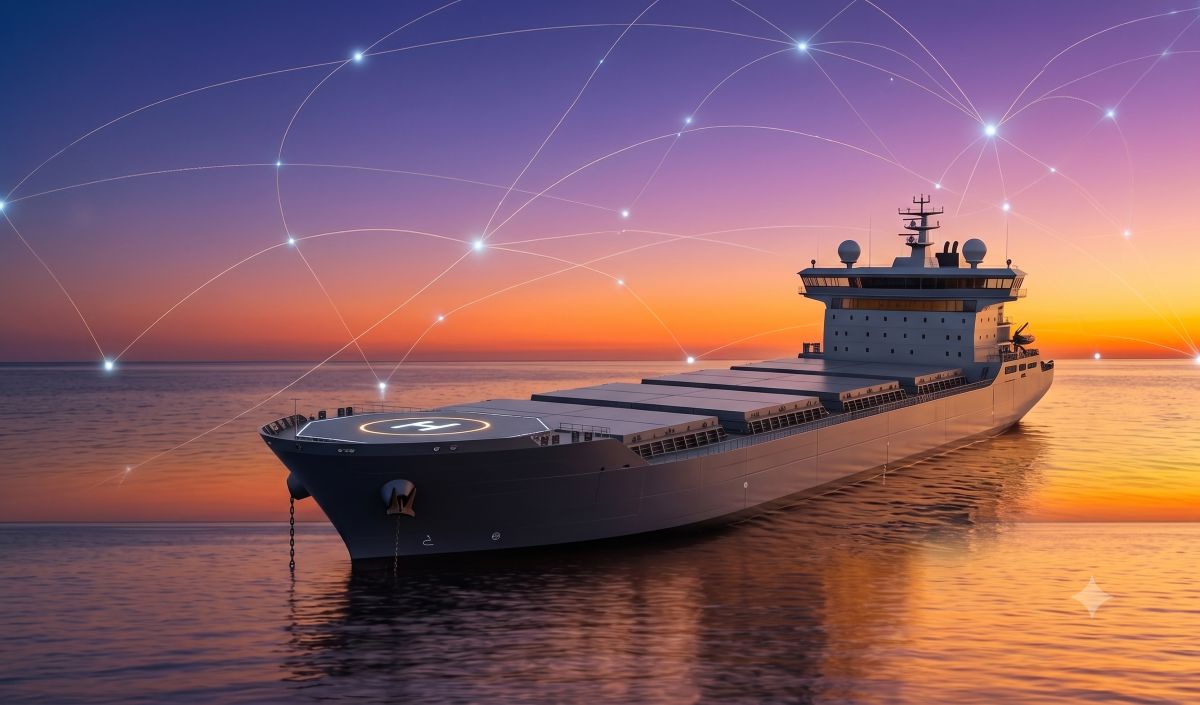
A vessel tracking system used to mean periodic position updates. In 2026, a vessel monitoring system is expected to deliver decision ready visibility, not just location.
Modern requirements include:
- Route and signal integrity awareness when GNSS or AIS cannot be assumed
- Real time vessel monitoring technology that highlights exceptions, not noise
- Remote vessel monitoring that stays usable even when links degrade
- Fleet tracking software that scales without scaling headcount
In short, the question is no longer “Where is the vessel.” The question is “What is changing, what is risky, and what do we do next.”
What AI adds that traditional monitoring cannot
AI powered vessel tracking improves operations by turning raw inputs into ranked priorities. That matters because ships generate more signals than teams can manually review at fleet scale.
1. Faster anomaly detection
AI can surface unusual patterns early:
- Suspicious position behaviour, including drift, jumps, or inconsistent speed
- Unexpected route deviation or loitering
- Reporting gaps that suggest a visibility blind spot
- Abnormal behaviour around sensitive corridors
Instead of checking every vessel, teams focus on the few that need attention.
2. Better incident readiness
When something happens, response depends on clarity. AI driven monitoring helps teams answer quickly:
What happened, where, what evidence exists, and who needs to act.
This is one reason Station Satcom positions Station WatchX as proactive surveillance rather than passive recording. It runs analytics onboard, raises real time alerts, and supports incident evidence workflows, which is a practical upgrade when shore connectivity is limited.
3. Fleet scale oversight without spreadsheet workflows
Operators often discover that what works for five vessels breaks at fifty. AI helps scale visibility, but only if systems are standardized and centrally managed.
This is where consistent IT baselines matter. Station Edge supports standardization across vessel IT builds, which reduces variation and makes fleet level monitoring more reliable and repeatable.
The network is part of the monitoring system
Remote vessel monitoring is only as good as the link carrying it. In contested regions, the challenge is not just bandwidth. It is prioritization.
If critical traffic is competing with everything else, monitoring tools lag, alerts arrive late, and remote support becomes slow.
That is why connectivity control has become a core part of vessel monitoring design. FutureKonnect adds SD WAN routing, policy control, and application prioritization so mission critical traffic stays stable even when conditions change. In practice, that means monitoring remains usable when it is needed most.
What smart ship monitoring systems should include
If you are evaluating fleet tracking software or modern monitoring stacks, look for these capabilities.
Exception first dashboards
The system should highlight what changed, what is abnormal, and what needs action.
Evidence and context
Alerts should come with enough context for teams to act, not just notify.
Works under imperfect connectivity
Monitoring must function across variable links and offshore realities.
Clear escalation
A vessel monitoring system must support fast decision loops between bridge and shore, especially in high-risk corridors.
Scales fleetwide
Consistent policies, standardized deployments, and centralized control are what make remote monitoring sustainable.
Station Satcom’s approach is to connect these layers rather than treating monitoring as one standalone tool. Station WatchX supports real time onboard visibility, FutureKonnect helps keep critical monitoring traffic prioritized, and Station Edge supports consistent IT baselines so fleet operations do not depend on vessel specific workarounds.
A practical example of how AI strengthens operations in high-risk corridors
In regions where GNSS is degraded and AIS visibility is reduced; teams rely on layered signals and fast cross checks. AI does not replace seamanship. It supports it by:
- Flagging suspect positioning patterns sooner
- Reducing time lost to uncertainty
- Helping shore teams prioritize support and escalation
- Creating cleaner logs for review and accountability
That is the operational value: less time guessing, more time acting.
Where Station Satcom fits
Station Satcom supports AI powered vessel monitoring through an integrated stack:
- Station WatchX for onboard AI alerts, restricted zone monitoring, and incident evidence readiness
- FutureKonnect for network control, routing priorities, and predictable performance for monitoring traffic
- Station Edge for standardized vessel IT that makes fleet scale deployment consistent and easier to support
Together, these components help fleets move from basic tracking to decision ready monitoring.
A 15 minute fleet visibility diagnostic can reveal where your monitoring stack breaks under pressure. Write to sales@stationsatcom.com to schedule a review and receive a phased plan using Station WatchX, FutureKonnect, and Station Edge for your routes and vessel mix.