


















Cybersecurity at Sea
Five Critical Threats That Vessel Owners Often Miss
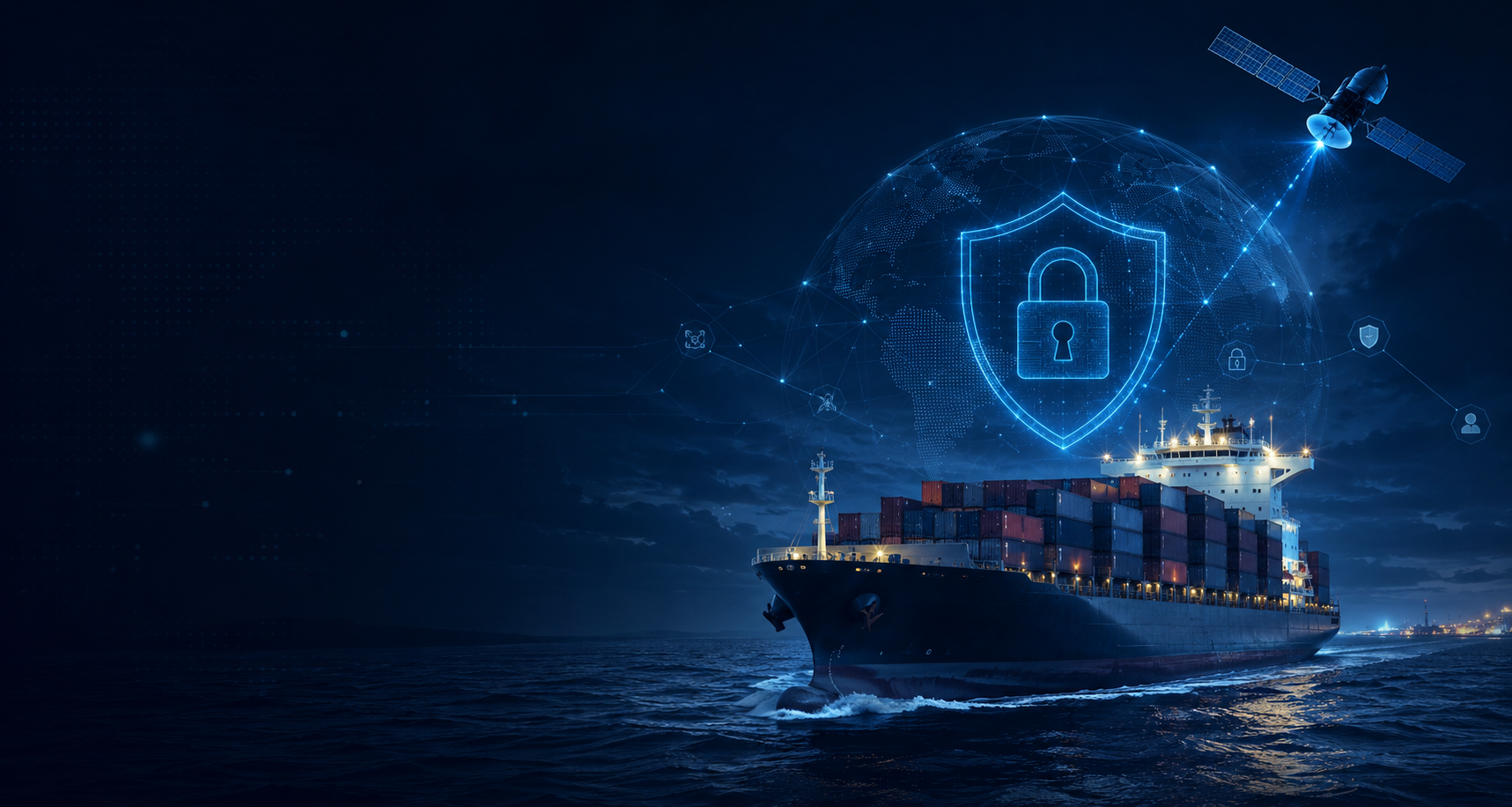
As ships become more advanced and data-driven, cybersecurity in the maritime industry has become a core operational concern. Ships today function like floating data centers. From bulk carriers and naval vessels to offshore rigs and luxury yachts, nearly every system on board is digitally connected. Navigation systems, engine monitoring, crew applications, digital charts,
and satellite communication all rely on interconnected networks. And wherever there is connectivity, the risk of cyber threats follows.
Unlike onshore networks, ships face unique cybersecurity challenges. Limited access to skilled IT staff, physical isolation, dependence on satellite communication, and integration with external systems all make vessels particularly vulnerable. Unfortunately, many shipowners still overlook key weaknesses in their digital infrastructure.
This guide highlights five overlooked cyber threats that could put vessels at risk. It also shares how companies like Station Satcom are helping address these challenges through intelligent and layered security systems.
1. Unsecured Satellite Communication Links
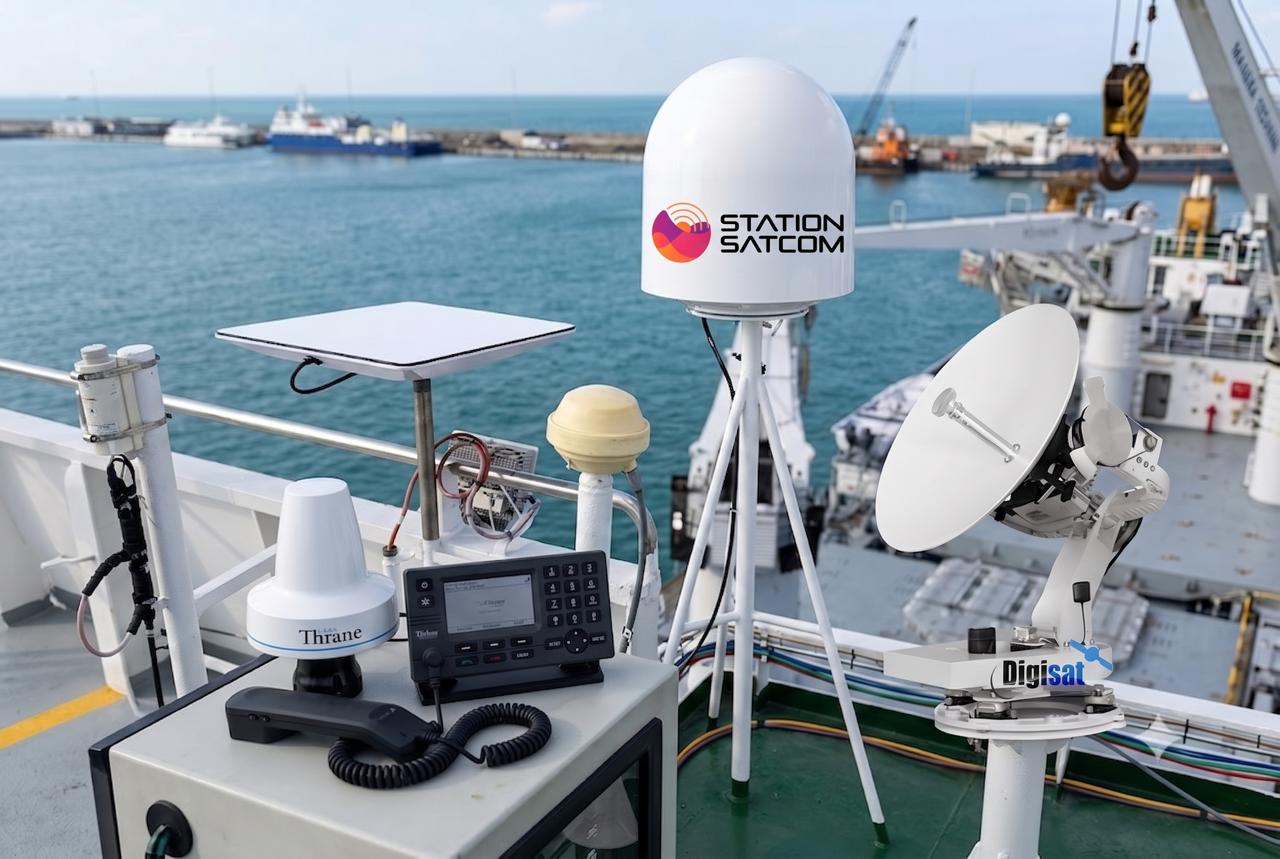
Modern vessels rely heavily on satellite internet systems such as VSAT and Low Earth Orbit networks to maintain continuous communication. These satellite links support everything from crew messaging and remote diagnostics to navigation and surveillance. However, if these links are not properly configured or encrypted, they become entry points for cyberattacks.
Cybercriminals may intercept data from unencrypted links, disrupt navigation using signal jamming, or break into the vessel’s internal systems by exploiting exposed satellite modems.
How Station Satcom responds:
Their systems use complete encryption by default. This includes secure VPN tunnels and advanced encryption protocols. Every terminal is monitored by a unified control system that watches for unusual patterns in data flow, which may indicate tampering. The SecureX platform also includes firewalls, intrusion detection systems, and access controls that ensure only authorized personnel can interact with critical systems.
2. Outdated Operational Technology and Legacy Software
Many ships still run important systems using outdated software. These include engine controls, power systems, and ballast water management. These older technologies often come with known vulnerabilities, lack basic protection, and are not separated from the ship’s general IT systems.
A simple action like downloading a file from a crew member’s device could allow malware to spread into essential systems. This could interfere with propulsion, disable alarms, or even trigger system failures.
How Station Satcom responds:
They offer secure network separation for operational and general IT systems. Using virtual networks and port-level controls, sensitive systems remain protected from general network traffic. Patch updates and firmware fixes are managed remotely through their Network Operations Center, which reduces the need for crew involvement and ensures fast resolution.
3. Crew Devices That Bring Hidden Risks
The bring-your-own-device trend is now common at sea. Crew members often connect personal phones, tablets, or laptops to the ship’s Wi-Fi for leisure or communication. However, these devices can carry malware, have outdated software, or contain unapproved applications.
Once connected, they may create a pathway for outside threats to reach the ship’s internal systems. The risk becomes greater if the vessel’s network does not track which devices are connected or lacks control policies.
How Station Satcom responds:
Their SecureX platform can identify and track every device on the network. Suspicious or unknown devices are automatically isolated. The platform also separates crew internet traffic
from business systems to avoid interference. Additionally, Station Satcom provides cyber hygiene training for crew members to help them understand safe practices.
4. Phishing and Social Engineering Attacks
Not all cyberattacks depend on complex software. In fact, the human element is often the weakest point. Crew members may fall for fake emails, spoofed messages, or misleading prompts that appear to come from trusted sources.
These phishing attempts can be used to steal credentials, install spyware, or reroute critical communications without detection.
How Station Satcom responds:
Their email system uses artificial intelligence to detect threats based on message content, attachments, and links. They also use filtering tools that block access to malicious websites and require two-factor authentication for logging into essential platforms. This includes the secure dashboards used by captains and managers to monitor operations.
5. Weak Integrations with Third-Party Services
Ships do not operate alone. They rely on port systems, weather data providers, logistics chains, and other third-party services. Sometimes, these systems are poorly integrated. Shared passwords or unprotected interfaces may accidentally expose the ship’s network to external threats.
In real-world cases, poor third-party security has led to issues such as tampered shipping schedules, fake software updates, or denial of service attacks.
How Station Satcom responds
They follow a zero-trust approach for all external systems. Every third-party connection must be verified, limited in access, and continuously monitored. The system also includes rotating digital keys and audit logs to track all interactions. Shipowners are encouraged to limit external access to only what is absolutely necessary.
The High Cost of Overlooking Maritime Cybersecurity
As ships become more connected, cyber threats become more costly. A single attack can result in delayed voyages, reputational harm, or even regulatory penalties. Environmental risks and cargo loss due to system failure can cost millions. And many of these events can be prevented with basic security awareness and protective measures.
Building Cyber Resilience at Sea with Station Satcom
Cybersecurity is more than a checklist. It must be a part of the organization’s culture. At Station Satcom, the goal is to make secure connectivity the standard.
Their approach includes:
- An integrated cybersecurity platform that includes advanced threat detection and response
- A central control system that tracks traffic, alerts the team, and enforces policies • A multi-orbit connection system that automatically switches links if one fails • Round-the-clock monitoring by their operations team
- Educational resources for crew members and readiness guides for different threat scenarios
They also help shipowners meet global cybersecurity requirements through automated reports, audit-ready documentation, and expert support.
Do Not Let Your Ship Navigate Without Protection
The sea may be vast, but no vessel is hidden in the modern digital world. Every crew device, satellite endpoint, and software connection becomes part of the ship’s extended network. This makes cybersecurity everyone’s responsibility.
By identifying these overlooked risks and implementing smart protection, shipowners can turn their digital infrastructure into a competitive strength. A connected ship does not have to be a vulnerable one. With the right approach, it can be safe, resilient, and prepared for the future.