





By Anshul Khanna | Managing Director, Station Satcom
“You can’t manage what you can’t see. And in today’s oil & gas operations, if your connectivity fails, visibility fails.”
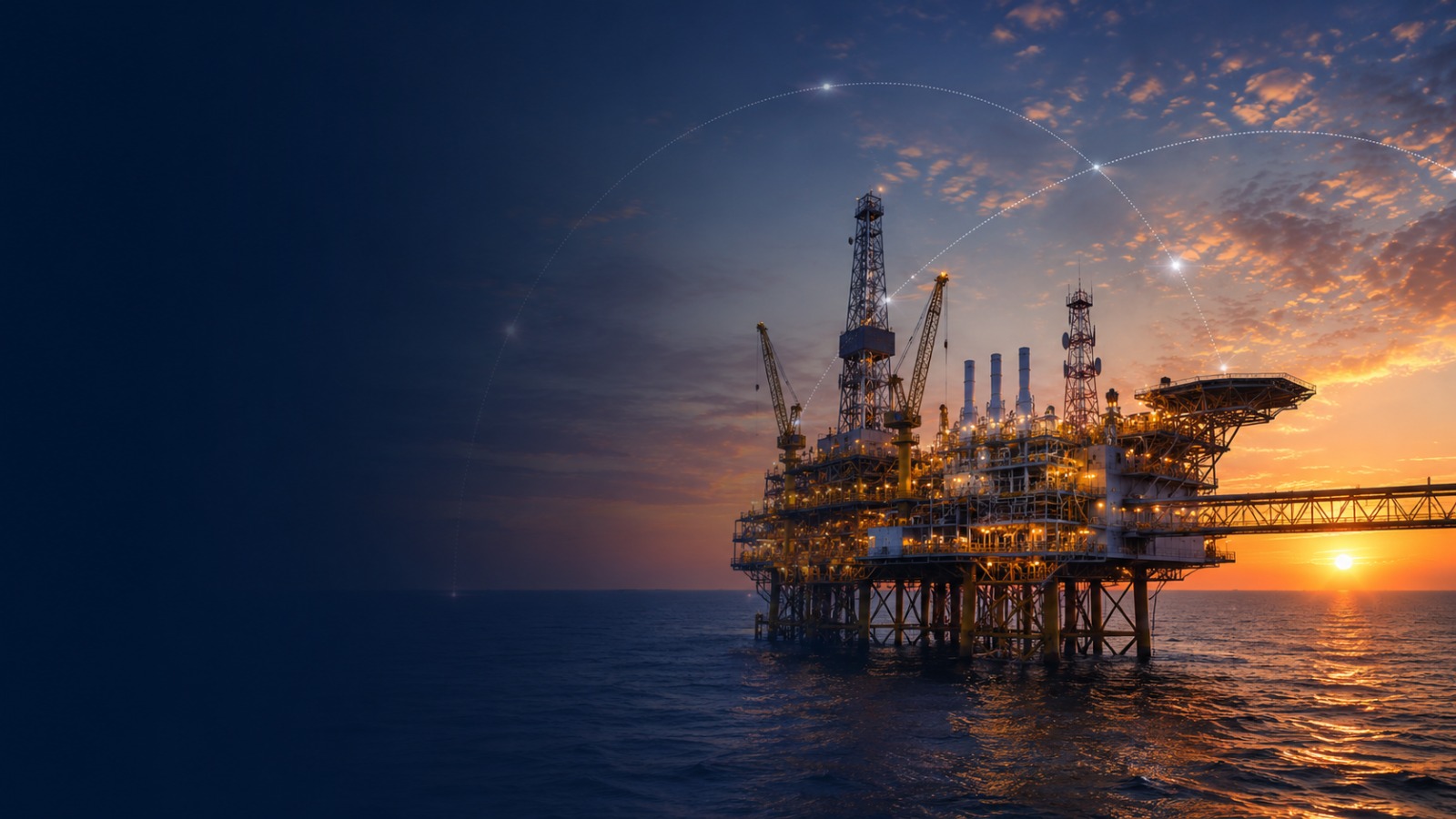
In the harshest corners of the Earth—remote deserts, deep-sea platforms, Arctic outposts—the oil & gas industry extracts value from places that most people will never see. But with every barrel produced, there’s an invisible, indispensable layer at play: connectivity. It fuels operational visibility, worker welfare, and real-time safety monitoring. Yet, ironically, it’s also one of the sector’s most persistent challenges.
At Station Satcom, we’ve powered offshore platforms in the South China Sea, supported seismic vessels off West Africa, and connected crew camps across the Middle East. Across this terrain, one truth stands out: traditional, static satcom solutions cannot keep pace with dynamic oil & gas demands. What’s needed is a new, agile approach to satellite communications.
Let’s break down the key challenges—and how forward-thinking connectivity strategies are transforming the energy frontier.
1. Data Uplinks: When “Offline” Is Not an Option
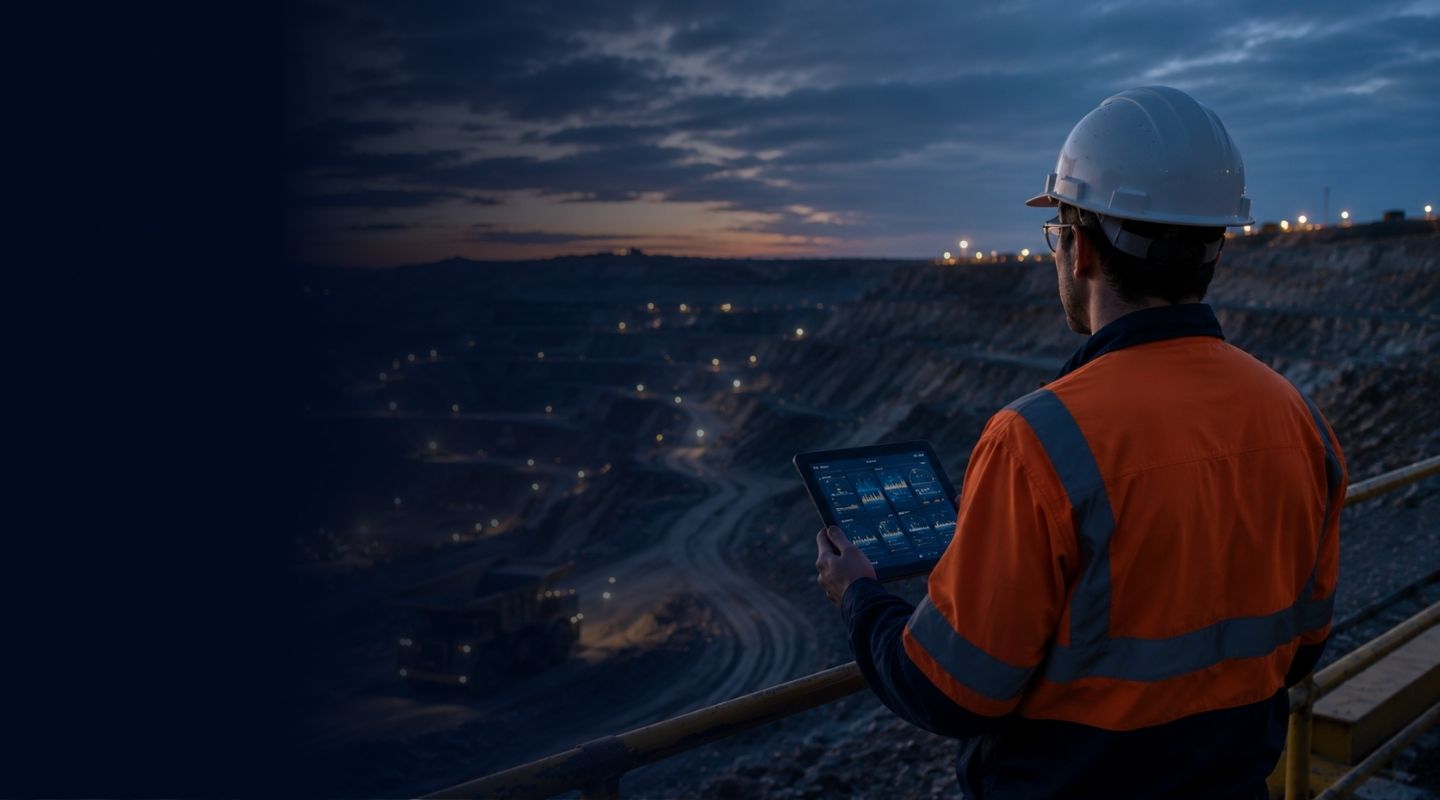
Oil & gas operations today are data-driven. From SCADA sensors to seismic surveys, from digital twins to real-time drilling telemetry—the volume and velocity of data in modern fields are immense. But transferring this data from rugged, bandwidth-starved environments to command centers often poses a bottleneck.
Traditional GEO-based VSAT systems provide broad coverage but suffer from 600+ ms latency and degraded performance under heavy cloud cover or precipitation—conditions common in offshore rigs or monsoon-prone sitesWhy We Believe the Futu…. On the other hand, LEO constellations like Starlink and OneWeb offer sub-50ms latency and multi-hundred Mbps throughput, enabling real-time analytics, automation, and AI-based monitoring at the edgeFrom My Logbook – Anshu….
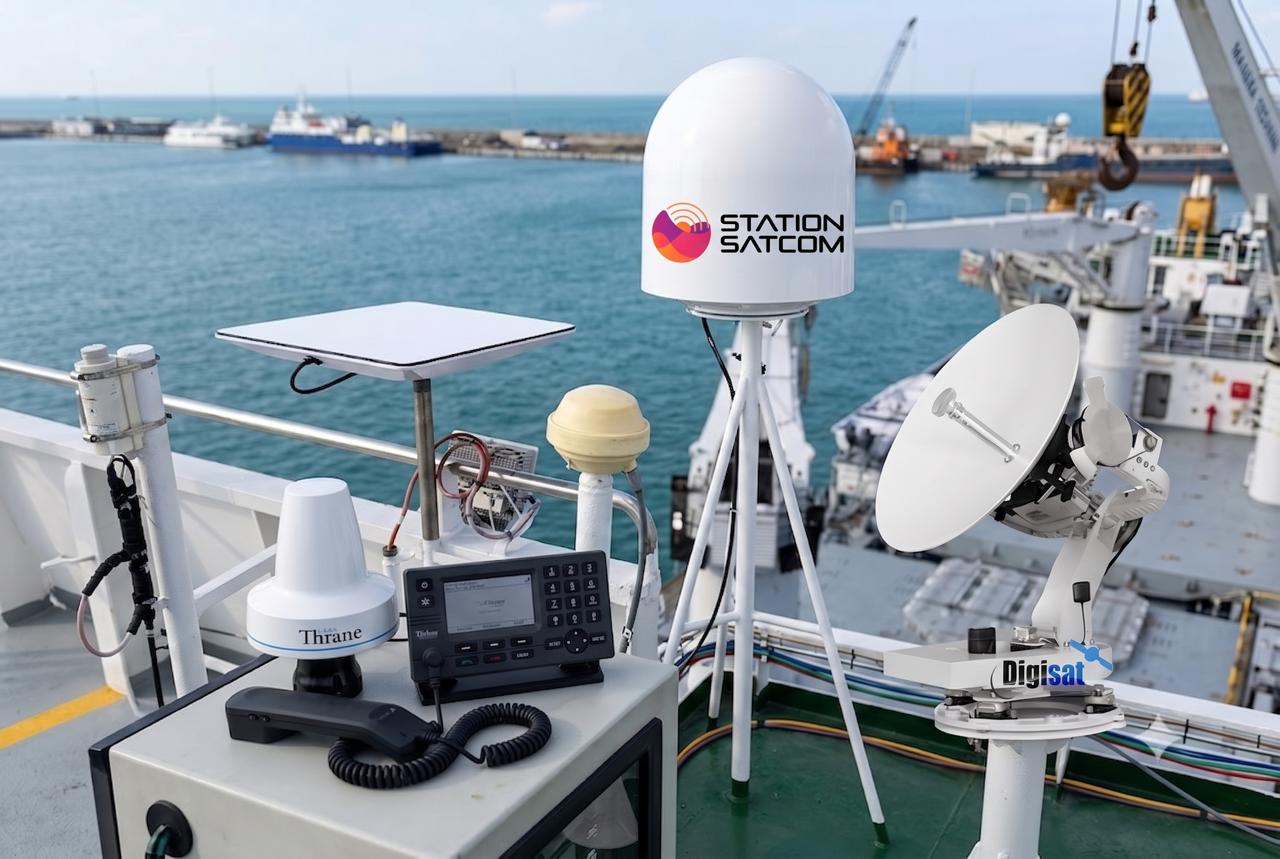
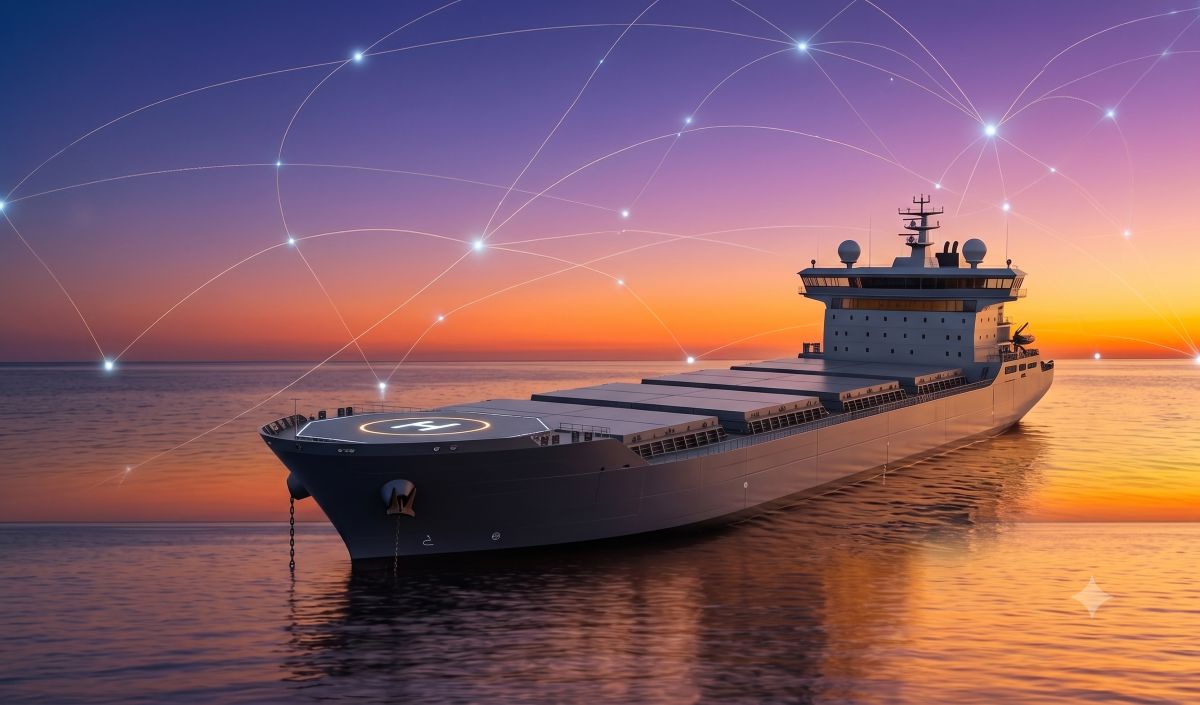
Our Solution: At Station Satcom, we deploy hybrid networks—LEO for latency-sensitive tasks, GEO for bulk data transfer, and Iridium Certus or 4G fallback for mission-critical redundancy. These systems are orchestrated via smart SD-WAN overlays and monitored in real time from our NOC, ensuring constant uplink reliability—even in the face of platform moves or spectrum blackouts
2. Worker Welfare: More Than Just a Perk
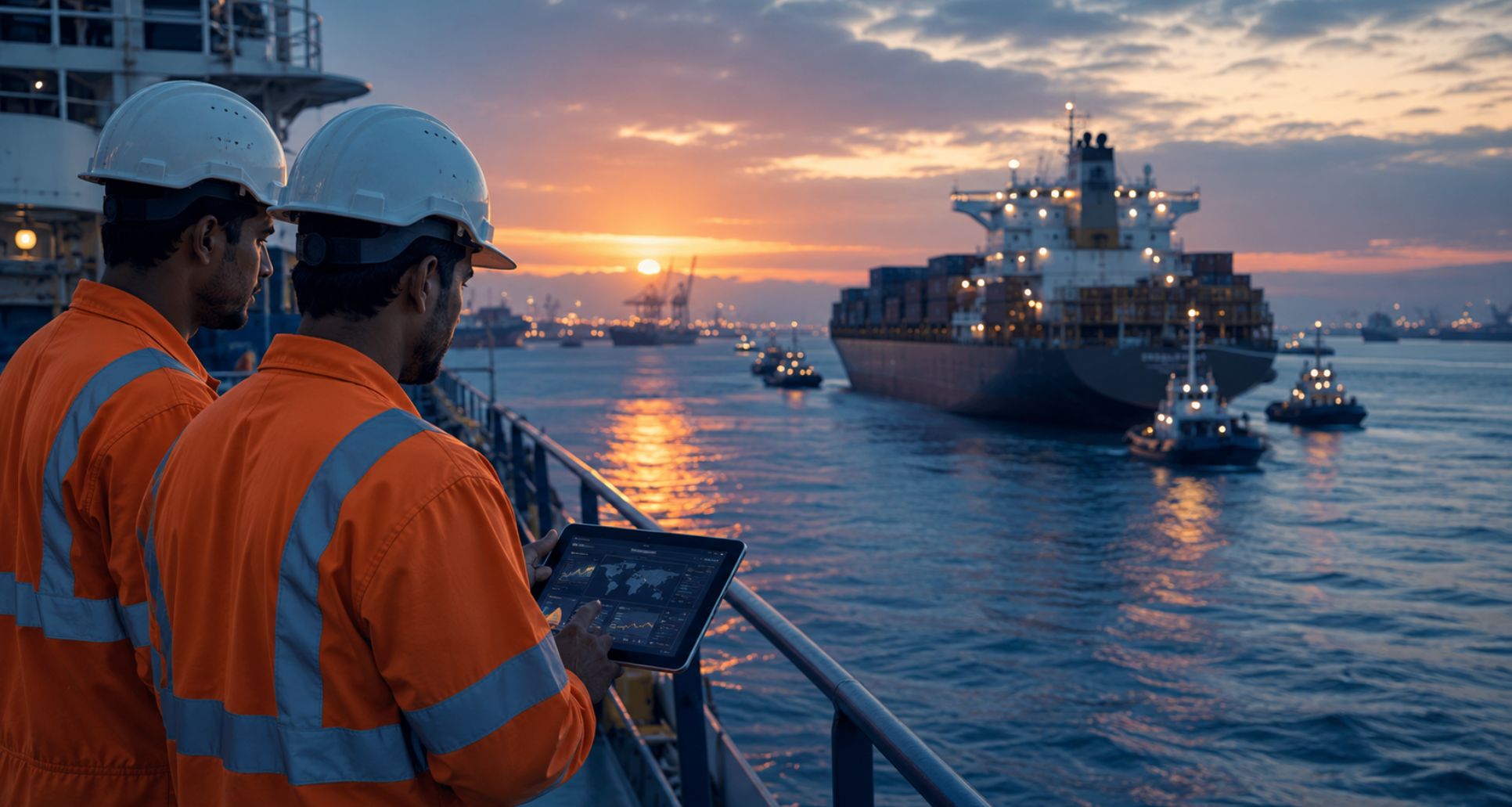
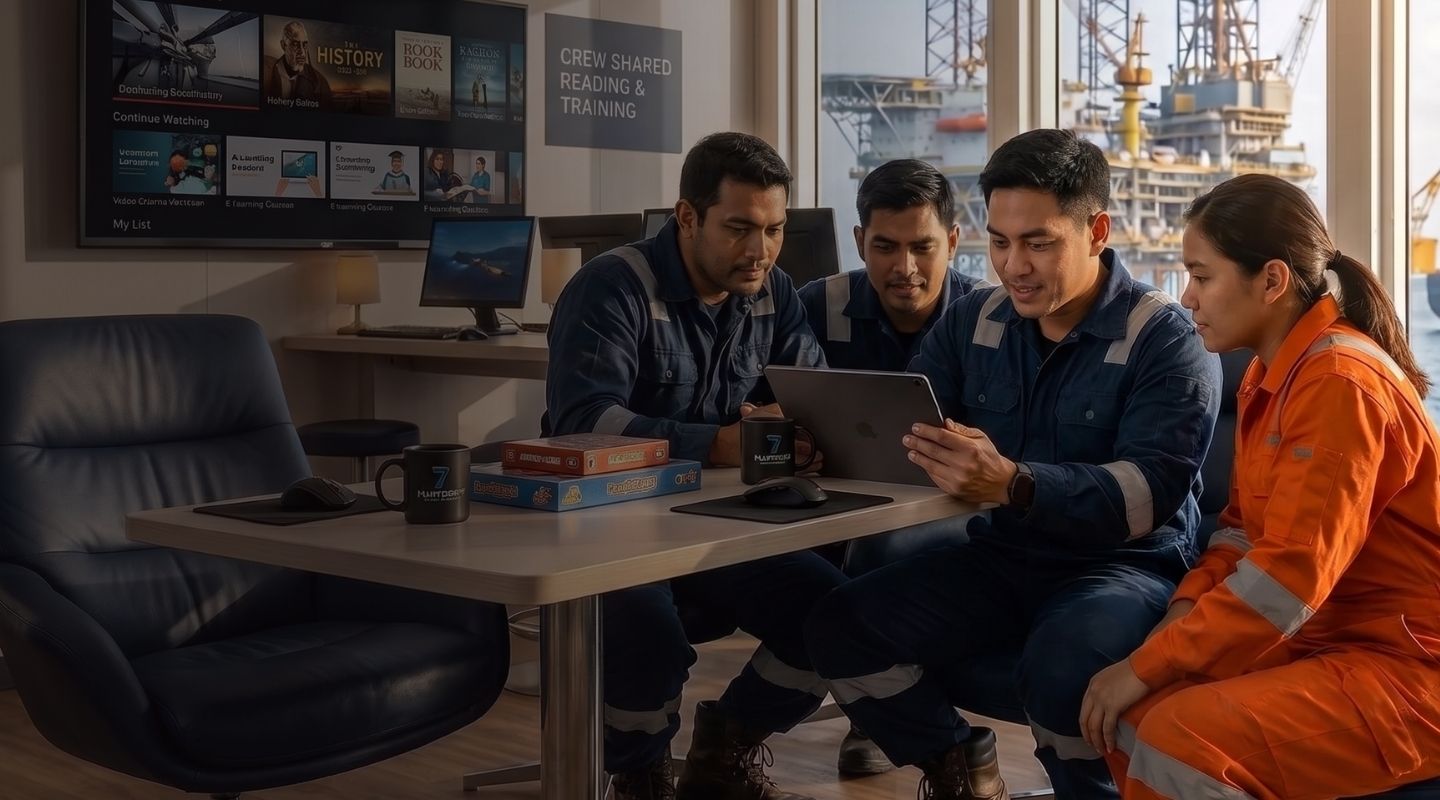
Behind every wellhead is a workforce enduring isolation, extremes of temperature, and 12-hour shifts. Connectivity isn’t just operational infrastructure—it’s a lifeline. Crew morale, retention, and mental wellness are directly tied to the ability to call home, stream content, or take an online course.
When we first started connecting offshore platforms 20 years ago, voice-only satellite phones were considered a luxury. Today, we’re delivering Netflix, WhatsApp video, and cloud-based HR portals on FPSOs in the Atlantic and gas hubs in the Gulf of Thailand.
Our Approach: We prioritize application-aware traffic shaping—dedicating low-latency LEO bandwidth to crew communication tools, while caching entertainment content over GEO links. This ensures consistent user experience without impacting operational data flow. In essence, we don’t just bring bandwidth—we bring dignity.
3. Monitoring in Rugged, Remote, and Unpredictable Environments
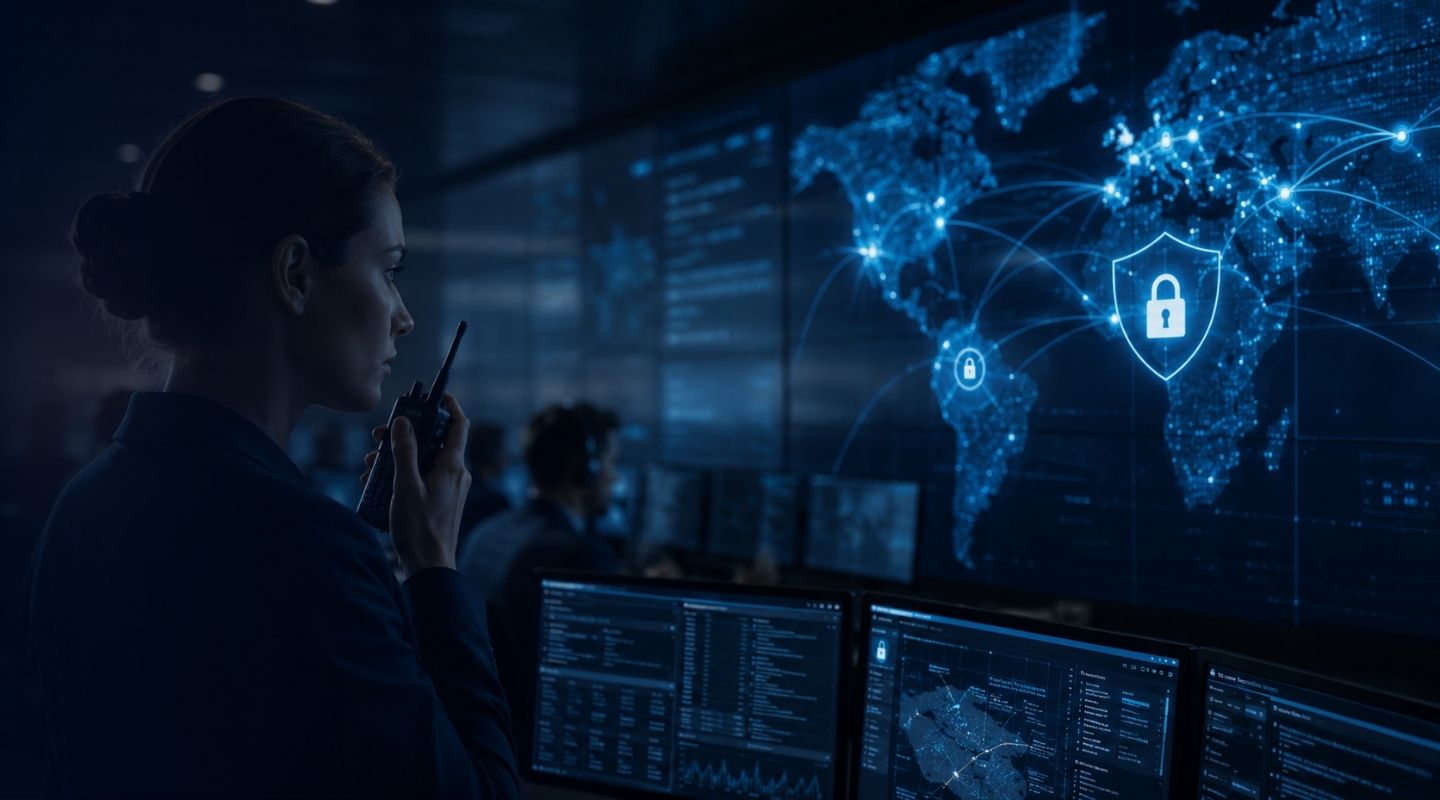
In oil & gas, the margin for error is razor-thin. Real-time surveillance—via CCTV, drones, or IoT—is essential to detect gas leaks, equipment malfunctions, or unauthorized access. Yet terrestrial networks are non-existent in most upstream sites.
GEO’s latency can introduce delays in visual feeds, rendering surveillance ineffective in time-critical scenarios. And LEO, while fast, requires dynamic beam handovers and precise antenna alignment—challenging on mobile land rigs or floating platforms.
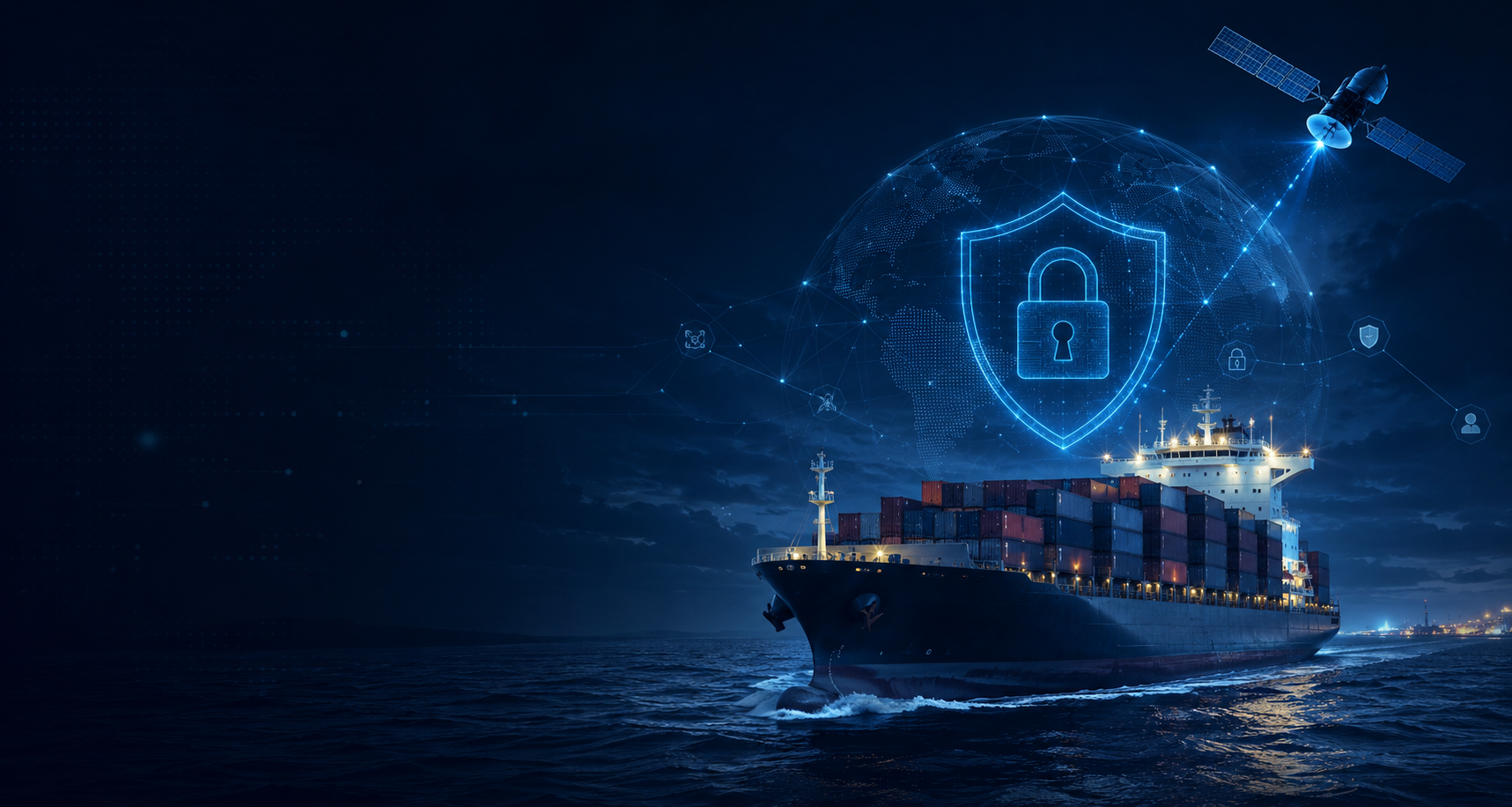
What Works: We use multi-WAN satellite terminals with automated failover, integrated with edge processors and AI-based video compression. These allow 24/7 remote monitoring even under severe weather. Our security stack, Station SecureX, overlays every connection with intrusion detection, XDR, and zero-trust access controls.
The Future: Agile, Integrated, and Orbit-Agnostic
For oil & gas clients, connectivity can no longer be a fixed contract or a single-orbit service. It must be a fluid, application-first fabric that adapts to drilling schedules, seismic cycles, and mobile assets. From the Amazon basin to Arctic exploration, satcom must be as agile as the industry it serves.
At Station Satcom, we believe the future of connectivity is multi-layered:
- Primary performance from LEO
- Bulk capacity from GEO
- Fallback assurance via L-Band and 4G
- All governed by intelligent orchestration and deep cyber observability
Final Word: Connectivity Is the Fourth Utility
Fuel, food, safety—and now, connectivity. For oil & gas operators, it’s no longer a luxury. It’s a prerequisite for operational excellence, workforce stability, and regulatory compliance.
As someone who’s seen satcom evolve from bulky terminals to multi-orbit mesh networks, I can confidently say: we are just getting started. The real opportunity lies not in faster megabits, but in smarter networks. In orchestrated resilience. In rethinking how we keep energy flowing from edge to enterprise.
And at Station Satcom, we’re proud to lead that frontier.
About the Author
Anshul Khanna is the Founder and Managing Director of Station Satcom, with over 25 years of experience building satellite connectivity strategies for maritime, defense, and energy sectors worldwide.